
Systems that hold when stress-tested.
ABOUT
A researcher working where water, waste, and circular bio-economy engineering collide, driven less by optimism than by whether systems actually hold
I'm Laurah Gutu, a PhD researcher in water quality and waste management, working on circular bio-economy systems. My work focuses on high-strength organic waste, specifically black soldier fly larvae (BSFL) bio conversion, COD-based process modelling, and integrated solid–liquid treatment trains for complex wastes such as abattoir residues.
I'm interested in waste streams that break conventional treatment logic. Instead of asking how to manage them, I ask how to re-engineer systems so these wastes become functional inputs rather than liabilities. That means translating biology into mass-balanced, simulation-ready models that can sit alongside wastewater infrastructure, because if it cannot be quantified, it cannot be designed, and if it cannot be designed, it will not scale.
This site is an independent space for research, writing, and ideas that sit between peer-reviewed science and uncomfortable questions. The work is rigorous, systems-driven, and skeptical of hype. The ambition is simple: design waste infrastructure that does more than survive load, it creates value from it.
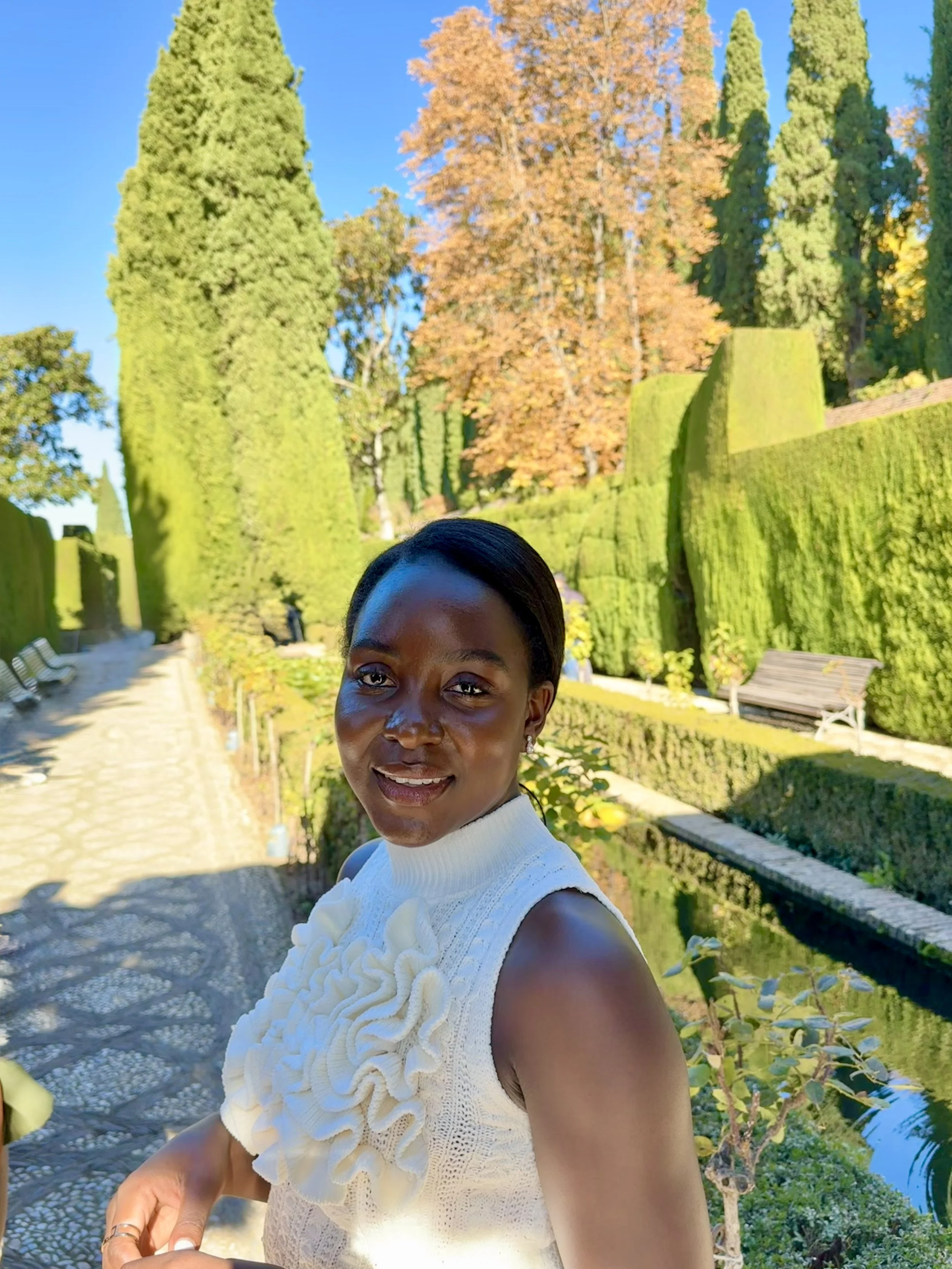
My work sits within water and waste management engineering, with a strong emphasis on process modelling, systems integration, and circular resource recovery. I'm currently completing a PhD in Civil Engineering (Water & Waste Management), developing mechanistic, COD-based models to represent BSFL bioconversion within engineered treatment systems.
I work across academic research, industry-adjacent problem framing, and applied system design; contributing to projects that span biological waste conversion, wastewater treatment infrastructure, and circular economy implementation in resource-constrained contexts. In professional technical spaces, I keep the priority where it belongs: system performance, scalability, and engineering realism over conceptual optimism.
◆ACADEMIC & PROFESSIONAL CONTEXT
Where the work sits.
◆ VALUES & POSITIONING
How I approach the work
01 Systems before stories
If a concept cannot be expressed as a mass balance, it is not a system; it is a narrative.
02 Biology without mystique
Biological processes matter only insofar as they can be quantified, modeled, and integrated into real infrastructure.
03 Performance over promise
Scalability is not a future claim; it is something a system either survives or it does not.
04 Circular, but realistic
Circular economy is a design problem, not a branding exercise. Recovery must compete on performance, not intention.
05 Independent by design
Working outside institutional ownership creates space for critique, experimentation, and ideas that don't fit neatly into funding calls.
◆ PARTNERSHIPS & COLLABORATIONS
"This work is driven less by optimism than by whether systems actually hold when stress-tested."
◆ PARTNERSHIPS & COLLABORATIONS
Water Research Group, U.C.T.
PHILAFEED
University of Dodoma
LOCAL ABATTOIRS
University of Cape Town
GENBIOSOL
If you're funding, researching, or building in waste, water, or resource recovery — I'd like to hear from you.